

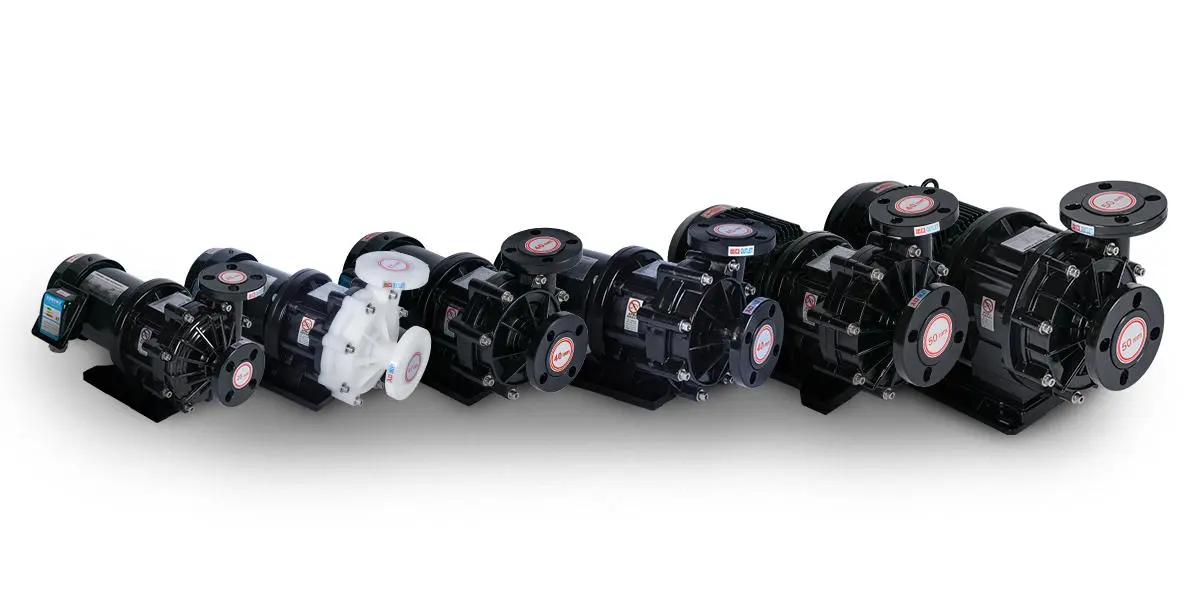
A PCB wet process line rarely stops because nobody owns a spare motor. It stops because the correct O-ring, shaft, bearing set, seal face, or impeller assembly cannot be identified quickly enough. Good chemical pump spare parts planning starts with the installed pump list and the consequence of losing each duty. It does not start with a generic repair kit. The useful question is simple: which failure would stop production or create a chemical risk before a verified replacement can arrive?
This work should begin while the pumps are still being accepted. Model codes, wetted materials, motor data, revision numbers, and baseline readings belong in the same handover package used for a chemical pump commissioning check. If maintenance receives only a short model name, the store may hold parts that look right but do not match the actual material or internal revision.
When one cheap part stops an expensive line
The usual shortage is not dramatic. A pump begins to leak at a static joint, loses flow after internal wear, or fails to restart after a planned clean. Production asks for an immediate repair. The store then finds three problems: the kit has no traceable pump model, the elastomer grade is unknown, and the replacement impeller fits the casing but not the installed shaft or magnet assembly.
That is why purchase price is a poor way to rank spares. A low-cost gasket can be critical if no compatible substitute exists. A more expensive motor may be less urgent when the plant has a standardized frame and a tested standby unit. Criticality follows the process consequence and recovery time, not the price tag on the component.
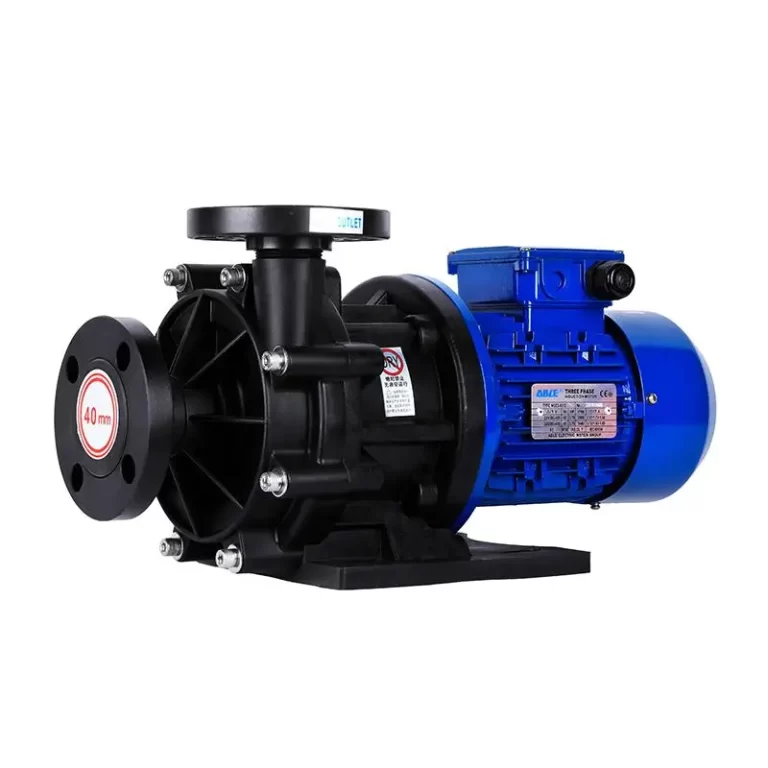
Stock by consequence, not habit
Start with each pump duty, not each pump family. A circulation pump serving a single plating tank has a different risk from a transfer pump backed by a parallel unit. Record what happens when the pump is unavailable. The result may be an immediate line stop, gradual quality drift, overflow or leak exposure, loss of exhaust treatment, wastewater non-compliance risk, or only a delayed batch.
The U.S. Department of Energy’s Operations and Maintenance Best Practices Guide frames maintenance around equipment importance, condition, planning, and lifecycle cost. For a PCB plant, that logic is more useful than applying the same stock quantity to every pump.
A simple plant screen can score consequence, procurement lead time, and lack of substitute from 1 to 5. Multiply or weight the scores only as an internal prioritization tool; the result is not an industry standard. The value comes from forcing production, maintenance, EHS, and purchasing to agree on why an item is critical.
Pump construction changes the list
QEEHUA’s local product material data separates magnetic drive pumps from mechanically sealed centrifugal pumps for a reason. A plastic magnetic pump may use a pump body in PPH, PVDF, or another specified material, together with a ceramic or silicon-carbide shaft, silicon-carbide bearing components, static elastomer seals, and a coupled impeller and magnet assembly. A mechanically sealed pump adds seal faces and secondary sealing elements that have their own compatibility and installation requirements.
| Pump construction | Parts that often deserve review | What must match before stocking | Common planning mistake |
|---|---|---|---|
| Plastic magnetic drive pump | Static O-rings or gaskets, shaft, radial bearing or bushing parts, thrust parts, impeller/magnet capsule, casing hardware | Exact model and revision, wetted plastic, shaft and bearing material, elastomer grade, motor power and frequency | Ordering by flange size or motor power while ignoring the internal material set |
| Mechanically sealed centrifugal pump | Complete mechanical seal set, O-rings, gaskets, impeller, shaft sleeve where used, casing hardware | Seal arrangement, face material, elastomer, shaft diameter, rotation, liquid and temperature | Keeping loose seal faces without the correct secondary seals or installation dimensions |
| Vertical chemical pump | Bushings or bearings, shaft-related parts, impeller, casing fasteners, coupling components where fitted | Immersion length, material, shaft design, pump revision, dry-running exposure and tank geometry | Assuming two pumps with the same motor and outlet size share the same immersed assembly |
| Complete standby pump | Pump and motor assembly prepared for the exact duty | Curve, voltage, frequency, rotation, flange and base dimensions, materials, accessories and stored-condition checks | Buying a nominally similar pump that cannot be installed or commissioned without piping and control changes |
Elastomers require special discipline. EPDM and FKM may have the same dimensions but should not be treated as interchangeable chemistry. QEEHUA’s material notes associate EPDM mainly with many alkaline services and FKM with many acidic services and some solvents, but the actual choice still depends on chemical identity, concentration, temperature, contaminants, and exposure time. The failure pattern described in QEEHUA’s article on chemical pump O-ring swelling is exactly why the store label must include material grade, not just size.
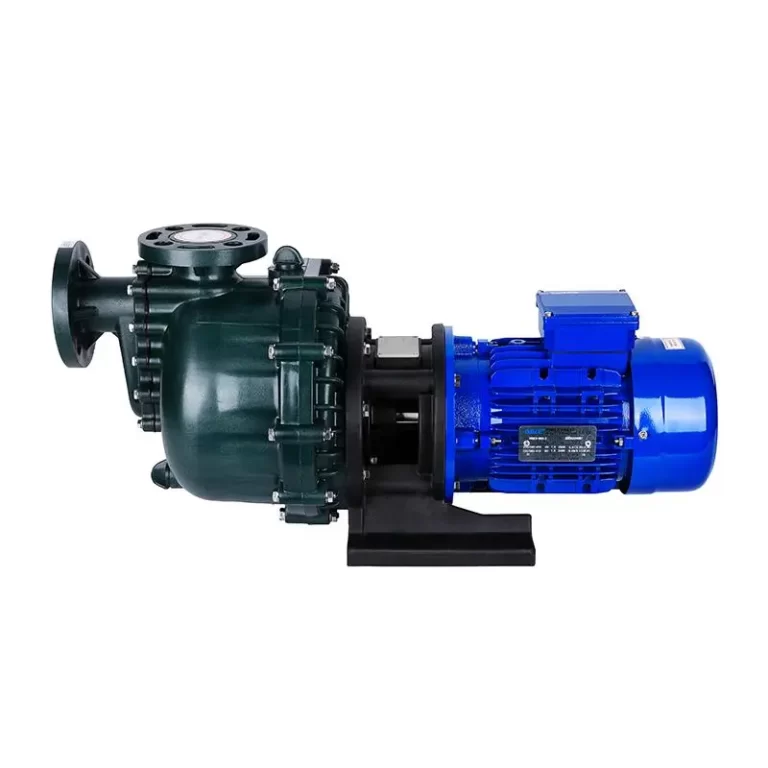
A practical three-level stocking rule
A tiered plan is easier to defend than a long wish list. Pump-system service guidance on critical pump spares also emphasizes the operating consequence, component lead time, and whether a standby arrangement exists. Those factors translate well to PCB wet process lines.
Level A: restore the duty during the same shift
Use this level for pumps whose loss stops a line, disables scrubber circulation, threatens wastewater control, or leaves no verified parallel unit. The stock may need a complete ready-to-install pump or a tested wet-end assembly, plus the seals and fasteners disturbed during changeout. A full spare is justified when component rebuilding on the production floor would take longer or introduce contamination and assembly risk.
Level B: complete the next planned repair
These parts support a pump that can run temporarily on a standby unit or wait for a controlled maintenance window. Typical candidates include a matched bearing and shaft set, an impeller or magnet capsule, a mechanical seal kit, and the correct static seal set. Keep parts as an approved combination when mixing old and new wear components could produce poor clearances.
Level C: order against condition or consumption
Standard fasteners, common motor items, and low-consequence parts may be purchased against inspection findings or minimum/maximum stock levels. This level still needs a supplier reference and expected lead time. 鈥淥rder when needed鈥?is not a plan if nobody has confirmed the drawing, material, or current production revision.
Do not stock your way around a system fault. If bearings, seals, or impellers fail repeatedly, check suction condition, dry running, solids, chemical compatibility, head, flow, and operating point. The decision may be a system correction rather than another repair kit. QEEHUA’s pump replacement versus system correction checklist provides a useful boundary.
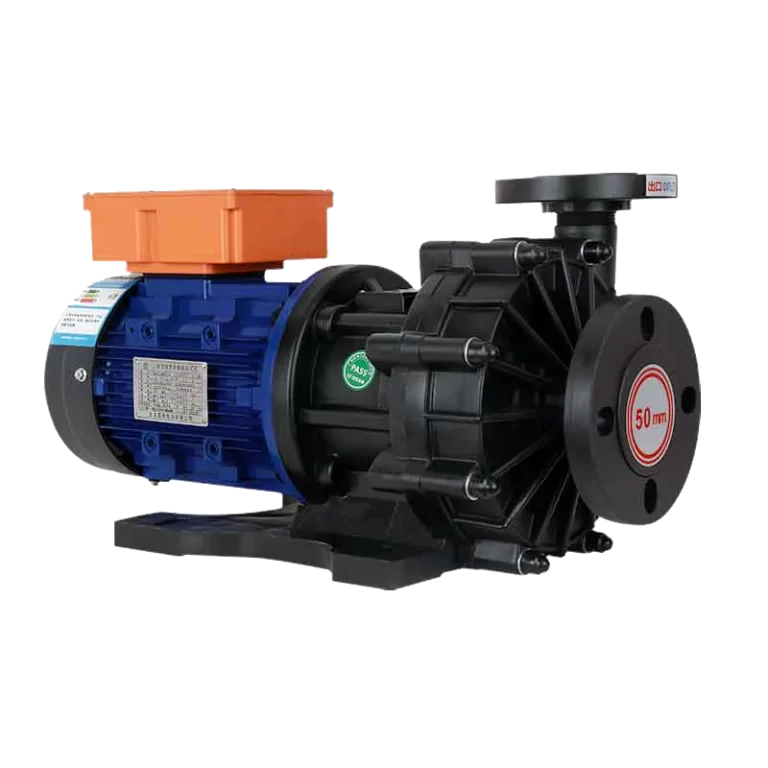
What belongs on the spares register
A shelf label is not enough. Each stocked item should connect to the installed asset and the approved duty. At minimum, the register should contain the plant asset number, pump manufacturer, complete model code, serial number or production batch where available, drawing or parts-list revision, liquid, concentration, temperature, wetted materials, elastomer, quantity installed, quantity on hand, supplier lead time, storage condition, inspection date, and every compatible asset number.
- Can a technician identify the exact installed pumps that use this part?
- Is the material printed on the label and supplier document?
- Has the part remained sealed, clean, dry, and protected from impact?
- Are elastomers protected from heat, sunlight, ozone sources, deformation, and untracked aging?
- Are ceramic or silicon-carbide parts separated from loose metal items that could chip them?
- Does the quantity reflect actual consumption and delivery time?
- Was the part number revalidated after the last pump revision or replacement?
Cycle counting should focus more often on Level A items than on low-risk stock. After every repair, record the removed part, failure cause, hours or months in service, and whether the replacement restored baseline flow, pressure, current, and leakage condition. Consumption without failure coding encourages overstock while hiding repeat system damage.
Before the purchase order is released
A useful spare-parts RFQ should include photographs of the nameplate and pump, the full duty description, current liquid chemistry, temperature, model and serial data, installed materials, known modifications, and the plant’s required recovery time. Ask the supplier to identify whether the quotation is for individual parts, a matched repair set, a complete wet end, or a full pump. The quotation should state material and compatibility boundaries rather than using 鈥渟tandard kit鈥?as the only description.
Also settle storage and acceptance. A complete standby pump should be checked for shipping damage, correct nameplate data, free rotation where the design permits, protected openings, accessory completeness, and preservation requirements. Before it enters production, verify rotation, priming or flooding condition, valve position, protection logic, and a short operating baseline. Integrated protection can reduce exposure to dry running, overload, and phase loss, but it does not replace correct hydraulic installation or spare-parts control.
Build the spare list from the installed pump register, not from memory. QEEHUA can cross-check model codes, wetted materials, seal grades, internal part combinations, and complete standby options against the actual duty. Email info@qeehua.com with the pump nameplates and service data before the plant commits to stock.
Questions plants ask after the first shortage
Should a PCB plant stock a complete chemical pump or only a repair kit?
Stock a complete pump when the duty is critical, no verified standby exists, and field rebuilding would exceed the allowed recovery time. A matched repair kit may be enough when a parallel pump can safely carry the duty and trained technicians have the tools and clean workspace to rebuild it.
Can O-rings with the same dimensions be used across acid and alkaline pump duties?
Not without a compatibility review. EPDM, FKM, PTFE, and other sealing materials respond differently to acids, alkalis, solvents, oxidizers, concentration, and temperature. The spare record should identify the approved material as well as the size.
How many spare pumps should be kept for a PCB wet process line?
There is no reliable universal ratio. Base the quantity on installed population, commonality, failure history, supplier lead time, standby coverage, chemical risk, and the production consequence of losing each duty.
What information is needed to identify the correct chemical pump spare parts?
Provide the complete model, serial or batch number, nameplate photo, pump photo, liquid and concentration, temperature, duty point, wetted material, elastomer grade, motor data, and photographs of the removed parts. Include any modifications made after installation.
A spare is only useful if it fits, survives the liquid, and can restore the duty within the plant’s recovery window. If the same stock item keeps leaving the shelf, do not raise the reorder point until the failure mechanism is known. Repeated bearing damage, for example, may trace back to low-level operation and dry-running exposure, not insufficient inventory.
