

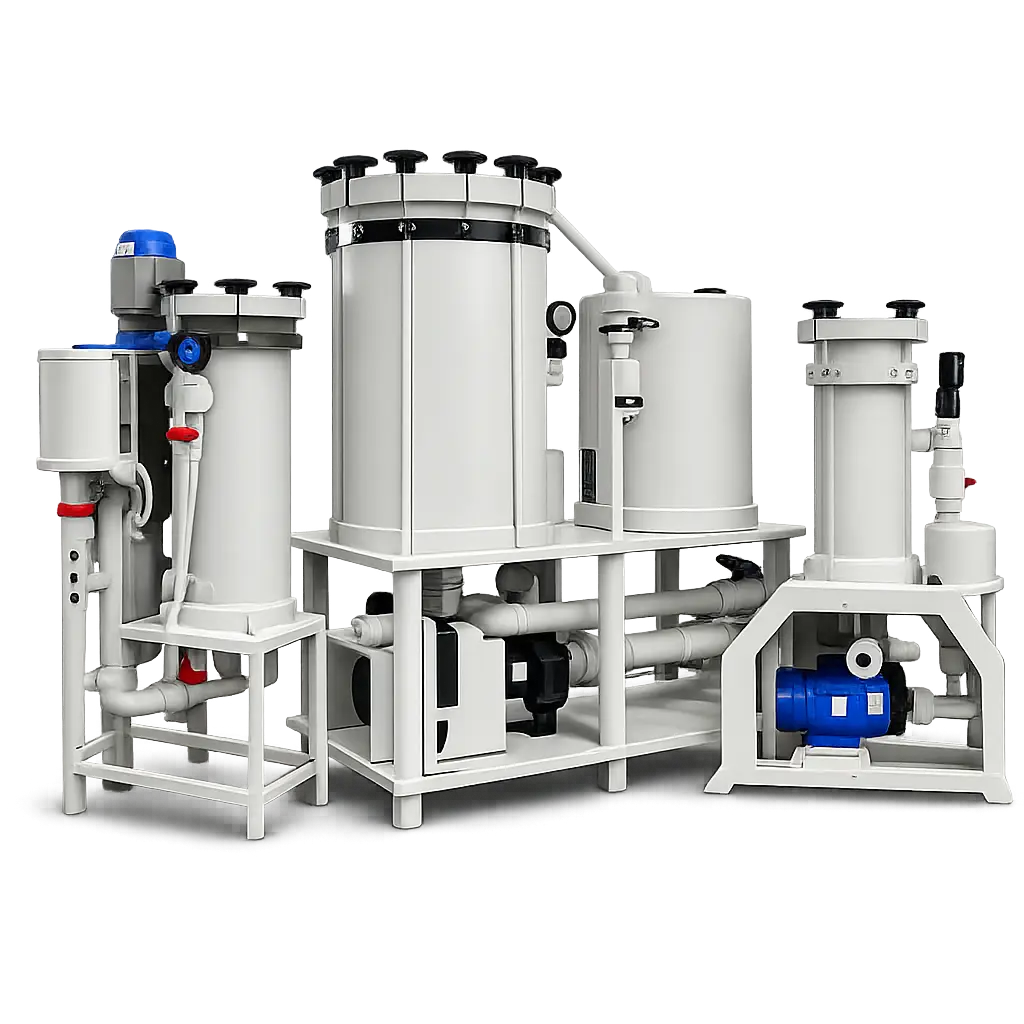
A chemical filter pressure gauge can show a comfortable reading while the cartridge is already blocked, or it can stay high after the line is clean. In PCB and electroplating wet process lines, that false signal can delay cartridge change, hide air lock, overload the filter housing, or send maintenance teams toward the wrong pump diagnosis. The practical fix is to treat the gauge, diaphragm seal, gauge port, venting point, and filter pressure baseline as one inspection item.
This article focuses on a narrow but common field problem: pressure gauge diaphragm clogging or wrong pressure readings on chemical filters. It is different from a true high-filter-pressure problem. A true pressure rise usually means the filter or line resistance has changed. A bad reading means the instrument path may no longer represent the liquid path.
Why a bad gauge is more than an instrument issue
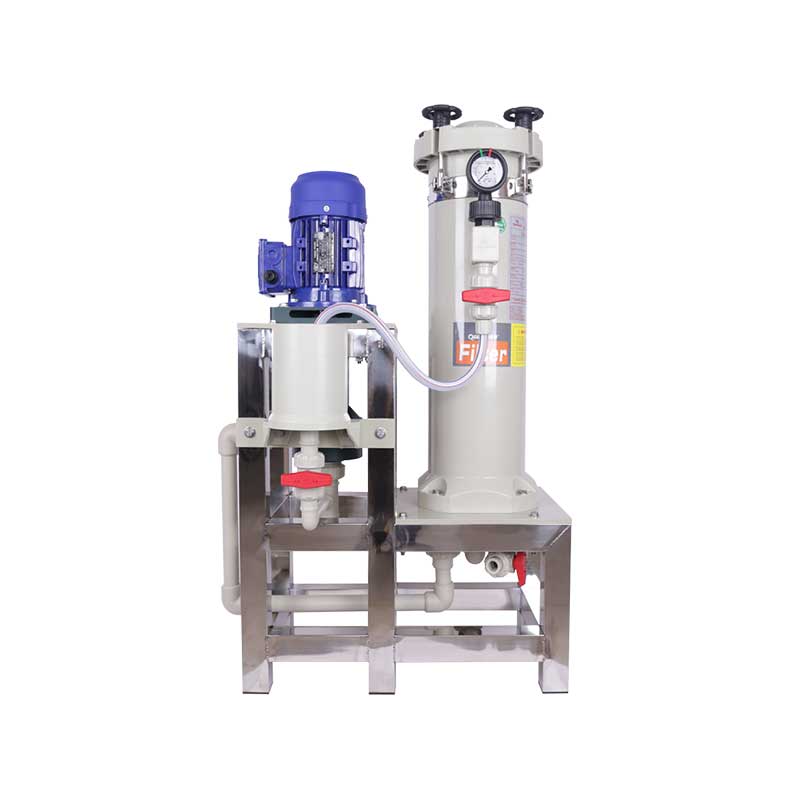
On a plating or PCB filter loop, the pressure gauge often becomes the operator’s first decision point. It tells the team whether a cartridge is clean, loading with solids, blocked, air-bound, or operating after maintenance. When that reading is wrong, the line may continue running with poor filtration or unnecessary shutdowns.
External instrument references support the same selection logic. Ashcroft notes that diaphragm seals protect pressure instruments where harsh chemicals, solids, or abrasive substances can damage or clog the sensing element (diaphragm seal performance factors). Reotemp also describes diaphragm seals as a way to protect pressure instruments from corrosive, viscous, or abrasive media (diaphragm seal FAQ).
In QEEHUA’s local PCB and electroplating pain-point review, pressure gauge failure appears in several forms: low-mounted gauge and vent points that cannot remove air, diaphragm crystallization, splash damage, long calibration intervals, and pressure data that no longer matches actual flow. Those issues connect directly to filter life, PCB defect prevention, and pump troubleshooting.
Symptoms that the reading is not trustworthy
| Field symptom | Likely instrument-side cause | What to check first |
|---|---|---|
| Gauge stays low while return flow is weak | Gauge port blocked or air trapped before the sensing point | Vent the housing, inspect the port, and compare with flow or return condition. |
| Gauge stays high after cartridge replacement | Diaphragm face crystallized or pressure trapped at the gauge connection | Depressurize safely, clean the sensing face, and confirm the pointer returns. |
| Needle jumps during startup | Air in filter housing or unstable pump suction | Complete venting before judging cartridge pressure. |
| Gauge fogs, corrodes, or sticks | Splash, acid mist, or poor instrument material selection | Add protection, review gauge material, and shorten inspection intervals. |
| Pressure does not match known clean-filter baseline | Calibration drift or wrong pressure range | Check calibration schedule and replace the gauge if the range is unsuitable. |
These checks should come before replacing the pump. A pump may be running correctly while a blocked gauge port makes the line look abnormal. The opposite is also true: a healthy-looking gauge may hide a clogged cartridge if the instrument no longer sees the real filter pressure. For true pressure-rise diagnosis, QEEHUA’s article on electroplating filter pressure too high is the stronger internal reference.
When a diaphragm seal makes sense
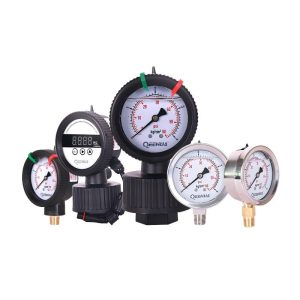
A diaphragm seal is useful when the liquid is corrosive, crystallizing, viscous, particle-containing, or likely to attack a standard pressure gauge. The seal keeps process liquid away from the pressure instrument while transferring pressure through a protected fill system. That can improve gauge life, but it does not remove maintenance. The diaphragm face can still collect crystals, sludge, or dried chemical residue.
For PCB wet processes, the decision depends on the bath. Developer, etchant, plating solution, stripping solution, and wastewater chemicals do not create the same instrument risk. Temperature, concentration, solids load, cleaning procedure, and shutdown behavior all matter. A diaphragm seal that works well in one bath may drift, clog, or corrode in another if wetted materials are wrong.
Do not specify only “one pressure gauge.” Specify the pressure range, wetted material, diaphragm style if needed, connection size, gauge location, cleaning access, and whether the plant wants local indication, pressure switch, or digital alarm. If pressure data will trigger pump interlocks, the instrument decision belongs in the control review too. QEEHUA discusses related control logic in PCB pump interlock logic.
Maintenance checks before blaming the pump or filter
When pressure readings look wrong, maintenance should confirm the process condition and the instrument condition separately. Start with safety: isolate energy, relieve pressure, and drain chemical to the approved path before opening any gauge connection.
- Record clean-filter pressure after each cartridge change.
- Compare gauge reading with return flow, pump noise, vibration, and filter venting result.
- Inspect whether the gauge is installed at a point that traps air or sludge.
- Clean the diaphragm face or gauge port according to the chemical compatibility plan.
- Check whether the pointer returns to zero after depressurization.
- Replace gauges that are corroded, fogged, stuck, or outside calibration tolerance.
- Protect exposed gauges from splash and acid mist with a suitable shield or enclosure.
After cartridge replacement, air can also make a pressure signal unstable. If the gauge only misbehaves after service, review QEEHUA’s chemical filter air lock after cartridge change checklist before changing pump size or cartridge type.
RFQ details for a better pressure point
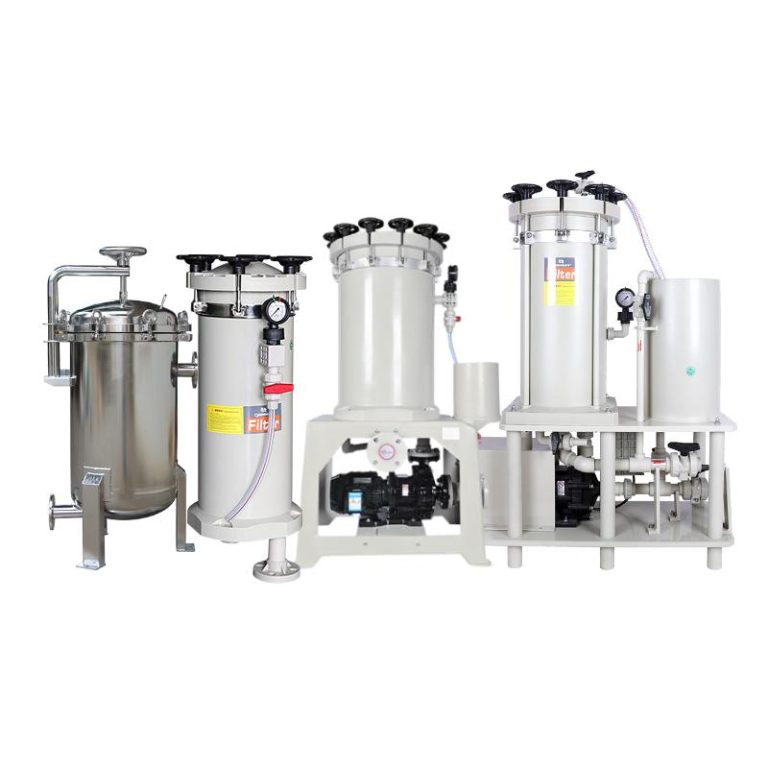
A good filter RFQ should ask for more than flow, micron rating, and pump head. Add the pressure measurement point. Tell QEEHUA the liquid, concentration, temperature, solids, expected clean and dirty pressure range, cartridge type, maintenance interval, and whether crystallization occurs during shutdown.
For plating and PCB filtration packages, QEEHUA can review options such as the QHC chemical plating filter series together with pump duty point, gauge position, venting, and cartridge access. The goal is not just to install a gauge. The goal is to make the reading trustworthy enough for operators to act on it.
For a pressure-reading problem, send the liquid, temperature, filter model, cartridge micron rating, clean-filter pressure, current pressure reading, and a photo of the gauge location. Email info@qeehua.com so QEEHUA can review whether the issue is filter loading, air, gauge placement, or instrument protection.
FAQ
Why does a chemical filter pressure gauge stay high after changing cartridges?
The filter may still have trapped air, a closed valve, or line restriction, but the gauge itself may also be holding pressure through a clogged port or crystallized diaphragm face. Depressurize safely and check both the filter condition and the instrument path.
When should a chemical filter use a diaphragm pressure gauge?
Use a diaphragm seal when the process liquid is corrosive, crystallizing, viscous, abrasive, particle-containing, or not compatible with standard gauge wetted parts.
Can a clogged pressure gauge cause PCB quality problems?
Yes. A false low or stuck reading can delay cartridge replacement and allow poor filtration to continue, which may contribute to particles, spray issues, or process instability.
How often should filter pressure gauges be calibrated?
Follow the plant instrument standard. In harsh PCB or electroplating service, calibration and visual inspection should be frequent enough to catch corrosion, sticking, splash damage, and zero-return problems before production decisions depend on a bad reading.
Is high filter pressure always a pump problem?
No. High pressure may come from clogged cartridges, closed valves, undersized filter area, wrong cartridge rating, blocked piping, or a faulty gauge. Check the system before changing the pump.
Sources
The practical takeaway is to trust a pressure trend only after the pressure point itself has been proven. In chemical filtration, the instrument path can fail quietly while the pump and filter keep running.
